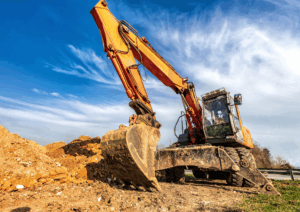
Soil contamination is a serious environmental challenge caused by industrial activities, chemical spills, fuel leaks, improper waste disposal, and long-term site usage. When pollutants enter the soil, they can spread into groundwater, damage ecosystems, and create health risks for people and surrounding communities. Soil remediation services are essential for identifying, treating, and restoring contaminated land so it can be safely reused.
Soil remediation is the process of removing, reducing, or neutralising harmful contaminants in soil through specialised treatment methods. These methods are selected based on the type of contamination, site conditions, and intended future use of the land, ensuring effective and compliant restoration of affected areas.
Why Soil Remediation Is Important
Contaminated land can significantly restrict development and pose legal and environmental risks. Many sites cannot be used for construction or industrial purposes until contamination levels are reduced to safe standards.
Professional soil remediation services help businesses and landowners:
- Meet environmental regulations and compliance requirements
- Reduce environmental and public health risks
- Restore land value and usability
- Prevent long-term contamination spread
By addressing contamination early, organizations can avoid costly delays, legal issues, and environmental damage.
Protecting Health and the Environment
Hazardous substances in soil can enter the human body through direct contact, inhalation of dust, or contamination of water sources. Over time, this can affect workers, nearby residents, and local ecosystems.
Soil remediation services help reduce these risks by safely removing or stabilising contaminants and preventing further spread. This ensures safer environments and supports long-term environmental protection.
Common Soil Remediation Methods
Different remediation techniques are used depending on the severity and type of contamination:
- Excavation and disposal – contaminated soil is removed and safely disposed of
- Bioremediation – natural microorganisms break down pollutants
- Chemical treatment – oxidation or reduction processes neutralise contaminants
- Soil washing – contaminants are separated from soil particles
- Thermal treatment – heat is used to remove or destroy pollutants
These methods may be used individually or combined as part of a tailored remediation strategy to achieve the best results.
Supporting Regulatory Compliance
Environmental regulations require contaminated sites to be treated before redevelopment or reuse. Failure to comply can lead to penalties, project delays, and legal consequences.
Professional soil remediation ensures all work is carried out in line with environmental standards, including proper assessment, treatment, and documentation. This helps businesses stay compliant and move projects forward smoothly.
Sustainable Land Restoration
Soil remediation not only removes contamination but also supports sustainable land use by restoring previously unusable sites. This reduces the need for new land development and encourages the reuse of existing industrial or brownfield sites.
By improving soil quality, remediation contributes to safer, cleaner, and more sustainable environments.
Professional Soil Remediation Services from TASLP
At TASLP Remediation Solutions, we provide expert soil remediation services tailored to industrial, commercial, and development projects. Our team uses proven techniques to safely manage contaminated land while ensuring full environmental compliance.
We focus on restoring soil quality, reducing environmental risk, and supporting safe future development of the site.
For more information, visit https://taslp.com/remediation-solutions/