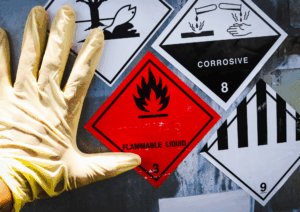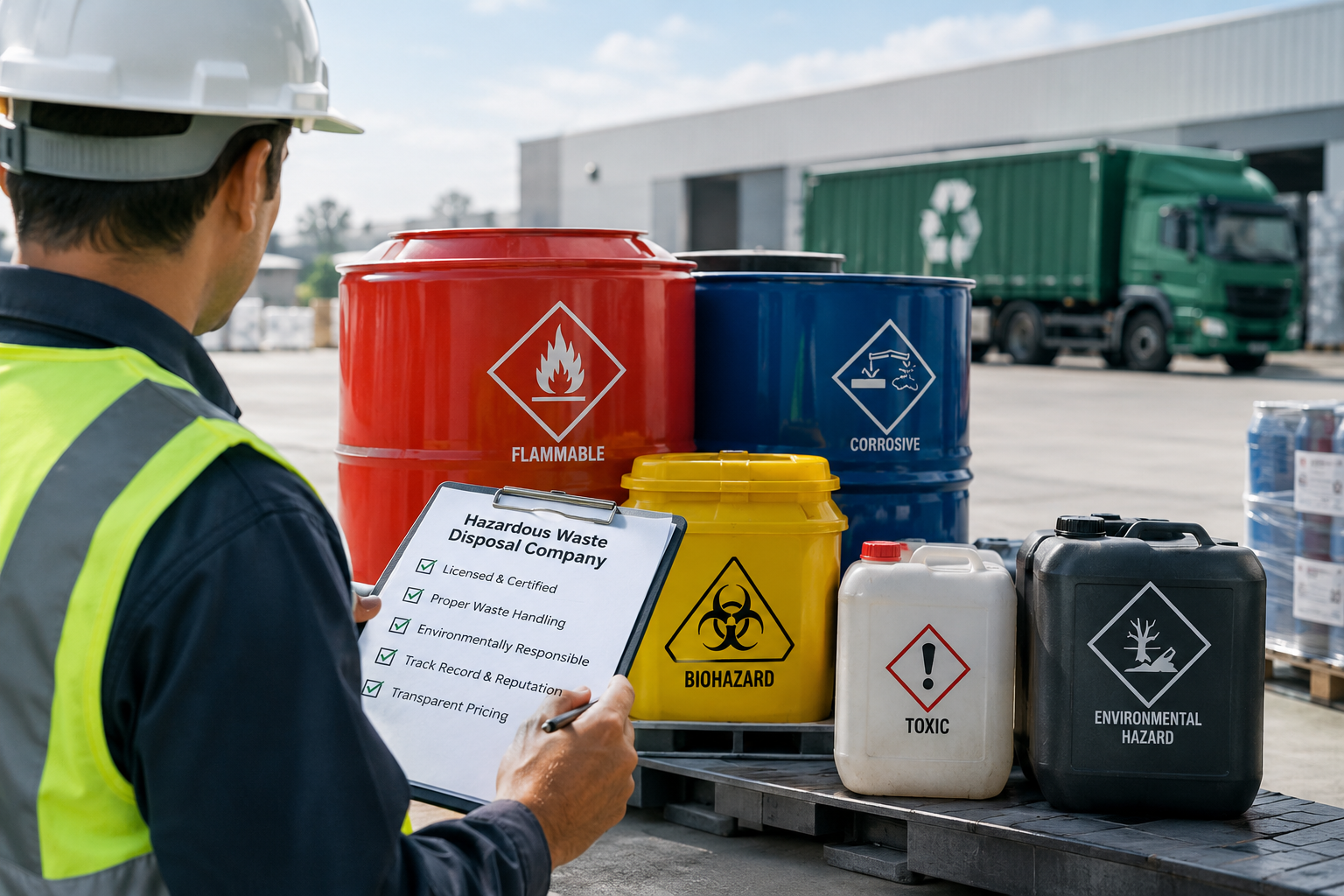
Hazardous waste management is an important responsibility for businesses that manufacture products, process chemicals, maintain industrial equipment, or handle regulated materials. Improper handling can create risks for employees, surrounding communities, the environment, and ongoing business operations.
For companies operating in the United States, selecting an appropriate hazardous waste disposal provider involves more than arranging waste collection. Businesses must understand the materials they generate, identify applicable requirements, and establish a suitable process for handling, transporting, treating, and documenting waste.
Identify and Characterize Your Hazardous Waste
The first step in selecting a disposal provider is understanding the waste generated by your operations. Potential waste streams include certain solvents, chemical residues, contaminated absorbents, industrial sludges, and materials containing regulated substances.
However, a material’s appearance or industrial origin does not automatically determine its legal classification. Hazardous waste determinations must follow the applicable regulatory criteria and consider the waste’s characteristics and composition.
A provider may request information about the production process, chemical ingredients, safety data sheets, historical analytical results, or laboratory testing. Accurate information helps establish a suitable waste profile and determine which treatment or disposal options may be available.
Businesses should also review their waste streams when production processes change, new chemicals are introduced, or previously generated materials begin to contain different contaminants.
Evaluate the Provider’s Regulatory Knowledge
Hazardous waste management in the United States is governed by federal requirements, including applicable provisions of RCRA, as well as relevant state regulations. Requirements can vary depending on the type of waste, the generator’s status, and the activities involved.
A suitable disposal provider should understand the requirements relevant to the services it performs and explain the documentation and handling arrangements needed for each waste stream.
Depending on the circumstances, these arrangements may involve waste manifests, shipping documentation, container and labeling requirements, transportation coordination, and receiving-facility acceptance procedures.
Businesses should establish which responsibilities belong to the generator, transporter, and receiving facility. Clear responsibilities and complete records help reduce the risk of shipments being delayed or rejected because of incorrect information.
Assess the Available Treatment and Disposal Options
Different hazardous waste streams require different management approaches. Depending on the material and applicable requirements, options may include physical or chemical treatment, stabilization, thermal treatment, recovery, or disposal through an appropriate facility.
The provider should explain why the proposed option is suitable for the waste and identify any restrictions that may affect acceptance or treatment. Businesses should not assume that all hazardous materials can be processed using the same method.
Where technically and legally appropriate, recycling and material recovery may provide alternatives to disposal. Evaluating these options can help organizations make informed decisions about resource use and waste management costs.
The selected approach should be based on the waste’s characteristics, regulatory requirements, operational needs, and the capabilities of the receiving facility.
Review Collection, Storage, and Transportation Arrangements
Hazardous waste management begins at the facility where the material is generated. Containers, storage areas, handling procedures, and collection schedules must be appropriate for the waste and comply with applicable requirements.
Businesses should discuss container specifications, compatibility, labeling, collection frequency, and transportation arrangements with their provider. Facilities generating large or irregular waste volumes may also need a plan for temporary storage and additional collections.
For projects involving equipment cleaning, maintenance shutdowns, or production changes, advance coordination is particularly important. Waste quantities can increase significantly during these activities, creating additional demands on storage and collection resources.
Compare Proposals and Documentation Standards
A complete service proposal should clearly identify the waste streams covered, the services included, the proposed management route, and the costs associated with each stage.
Potential charges may include sampling, profiling, containers, transportation, treatment, disposal, and required documentation. Businesses should clarify how pricing changes when waste quantities or characteristics differ from the original estimate.
They should also establish how shipment records and disposal documentation will be provided and retained. Consistent records help environmental managers track waste movements and support internal audits and applicable reporting obligations.
Make Hazardous Waste Management Part of Business Planning
An effective hazardous waste management program should be reviewed regularly rather than treated as a one-time purchasing decision. Businesses can monitor recurring waste volumes, review storage arrangements, identify opportunities to reduce waste generation, and assess whether existing disposal routes remain appropriate.
A provider with relevant technical capabilities and clear communication can help coordinate these activities while allowing the business to concentrate on its core operations.
TAS Environmental Services offers hazardous and specialized waste management, waste characterization and profiling, treatment options, and disposal coordination. Companies seeking support with complex waste streams can visit the TAS waste management page to explore its services.