Storage tanks are essential to many industrial operations across the United States. Fuel terminals, chemical manufacturers, processing plants, and other facilities rely on tanks to store raw materials, intermediate products, and finished liquids. During normal use, tanks can accumulate sediment, sludge, scale, residual liquids, and other deposits that eventually require removal.
Industrial tank cleaning services help facilities prepare tanks for inspection, maintenance, product changes, and other operational requirements. The work requires appropriate equipment, a clear understanding of the tank’s previous contents, and careful planning for safety and waste management.
Why Tank Cleaning Is Important for Industrial Operations
Accumulated residues can complicate inspections, interfere with maintenance activities, and affect the condition of stored materials. In some applications, deposits can also reduce usable capacity or make it difficult to assess the tank’s internal condition.
Cleaning may be necessary before scheduled inspections, repairs, equipment upgrades, decommissioning, or a change in the stored product. The required frequency depends on the tank’s design, its contents, operating conditions, maintenance program, and applicable requirements.
Facilities should assess cleaning needs as part of their wider asset maintenance strategy rather than relying on a single schedule for every tank.
Selecting the Appropriate Cleaning Method
The cleaning approach depends on the tank’s construction, the type of residue, the accessibility of the equipment, and the required outcome.
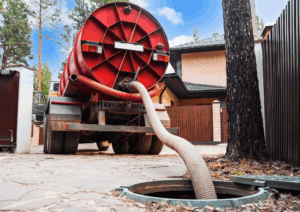
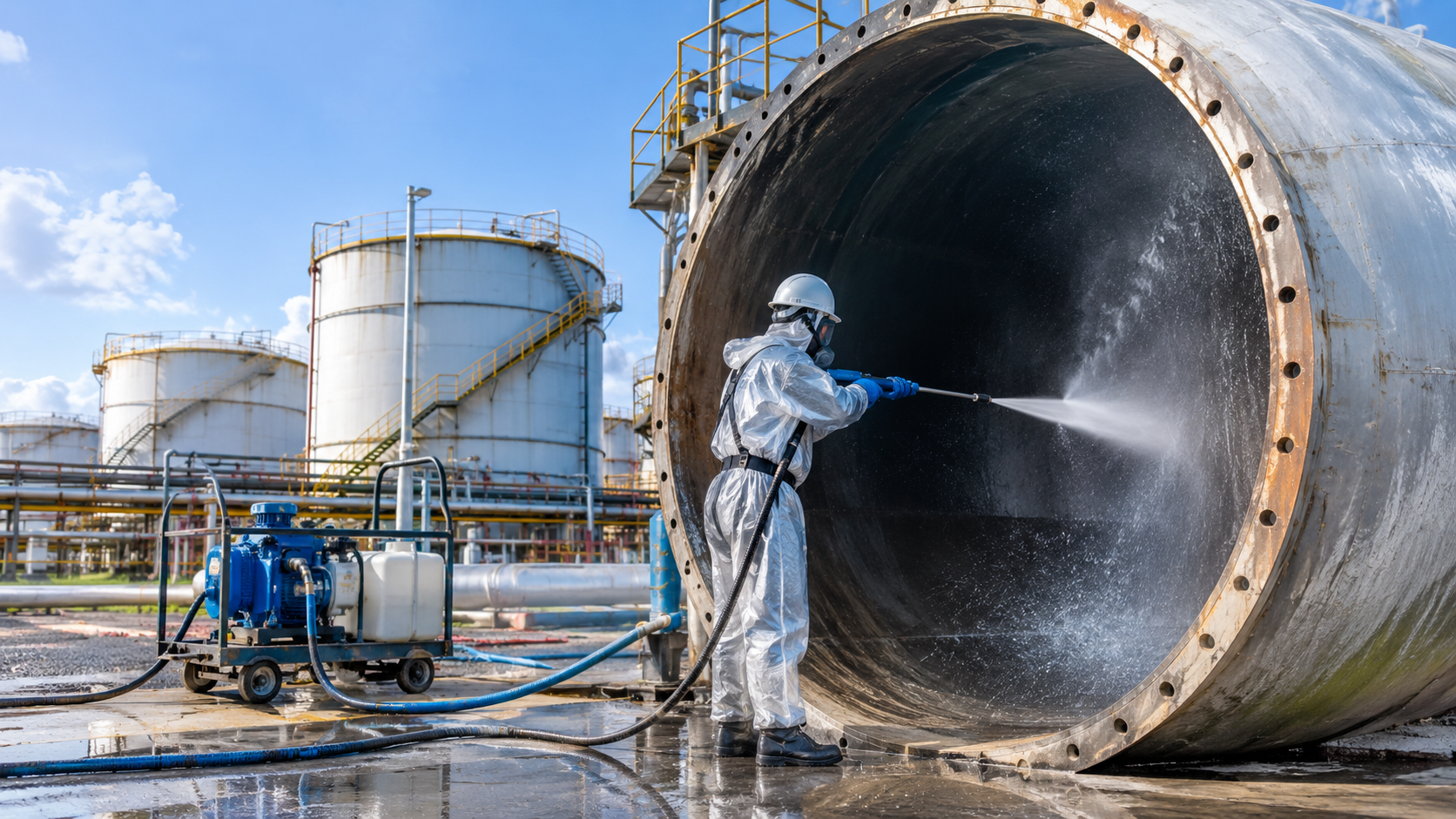
Vacuum services may be appropriate for recovering certain liquids, sludge, and slurry. High-pressure water cleaning can help remove suitable deposits from compatible surfaces. Chemical cleaning may be considered for specific residues when the cleaning agent is appropriate for the material and equipment.
Some projects require a combination of techniques. For example, a tank may first need residual liquid removed before further cleaning can take place.
A qualified contractor should assess the job requirements and explain the proposed method, equipment needs, and limitations. The cleaning plan should also account for the volume and characteristics of the material expected to be recovered.
Making Safety a Priority
Industrial tank cleaning can involve serious hazards, including flammable atmospheres, toxic residues, oxygen-deficient environments, chemical exposure, and confined-space risks.
Before work begins, the facility and contractor should establish the necessary safety controls. Depending on the job, these may include equipment isolation, hazardous energy control, atmospheric testing, ventilation, protective equipment, and appropriate emergency or rescue arrangements.
US Occupational Safety and Health Administration requirements may apply, including rules covering permit-required confined spaces and control of hazardous energy. The exact requirements depend on the activity and workplace conditions.
A tank should never be considered safe for entry simply because it has been emptied. Appropriate assessment, preparation, and entry procedures are essential whenever personnel may be exposed to confined-space hazards.
Managing Sludge, Residues, and Waste
Tank cleaning can generate substantial quantities of residue, particularly when equipment has been used for long periods without cleaning or contains materials that settle over time.
The recovered material may include product remnants, oil, water, sludge, scale, or chemical contaminants. Its composition determines the appropriate containment, characterization, transportation, treatment, and disposal requirements.
Before selecting a contractor, businesses should establish whether waste removal is included in the service proposal. They should also clarify who will coordinate waste profiling, receiving-facility acceptance, transportation, and required documentation.
A coordinated cleaning and waste management arrangement can help prevent delays caused by full containers, unsuitable disposal routes, or incomplete paperwork.
Scheduling Tank Cleaning Around Maintenance Operations
Tank cleaning frequently takes place during plant shutdowns, scheduled inspections, or maintenance turnarounds. These projects often involve several contractors working within a limited timeframe.
Facility managers should coordinate cleaning dates with equipment isolation, access requirements, inspection schedules, and other maintenance tasks. They should also account for the time needed to remove residues and complete any required verification before the tank returns to service.
A realistic schedule helps avoid conflicts between contractors and reduces the risk of unexpected delays.
Evaluating a Tank Cleaning Contractor
When comparing providers, businesses should consider relevant experience, cleaning methods, equipment, safety procedures, waste management capabilities, and the clarity of the proposed scope.
Quotations should identify the work included and explain how additional costs will be handled if unexpected residues or site conditions are discovered.
TAS Environmental Services provides industrial cleaning solutions that include tank and vessel cleaning, vacuum services, sludge and slurry removal, high-pressure cleaning, chemical cleaning, and turnaround support.
Facilities planning tank cleaning or maintenance projects can explore TAS industrial services to learn more about available capabilities.