Industrial facilities often generate several types of waste within the same working environment. Manufacturing residues, chemical by-products, oils, contaminated packaging, wastewater treatment sludge, and cleaning materials may all be produced during normal operations.
When these materials are stored or disposed of together without proper assessment, businesses can create risks that could otherwise have been avoided.
Waste segregation is more than an organisational practice. It plays an important role in environmental protection, workplace safety, and responsible industrial waste management.
Why Industrial Waste Streams Should Be Kept Separate
Different waste materials have different physical and chemical characteristics.
Some substances may react when they come into contact with one another. Others may contaminate materials that could otherwise be recovered or recycled.
Proper segregation helps businesses:
- Prevent incompatible chemical reactions.
- Reduce the risk of accidental releases.
- Maintain safer storage conditions.
- Improve the accuracy of waste classification.
- Identify appropriate treatment and disposal options.
- Reduce contamination of recyclable materials.
For facilities handling multiple industrial waste streams, these considerations are particularly important.
Five Problems Caused by Poor Waste Segregation
1. Unexpected Chemical Reactions
Certain chemicals can react when mixed. Depending on their characteristics, these reactions may produce heat, pressure, toxic gases, or other dangerous conditions.
Businesses should never assume that different liquid or chemical wastes are compatible.
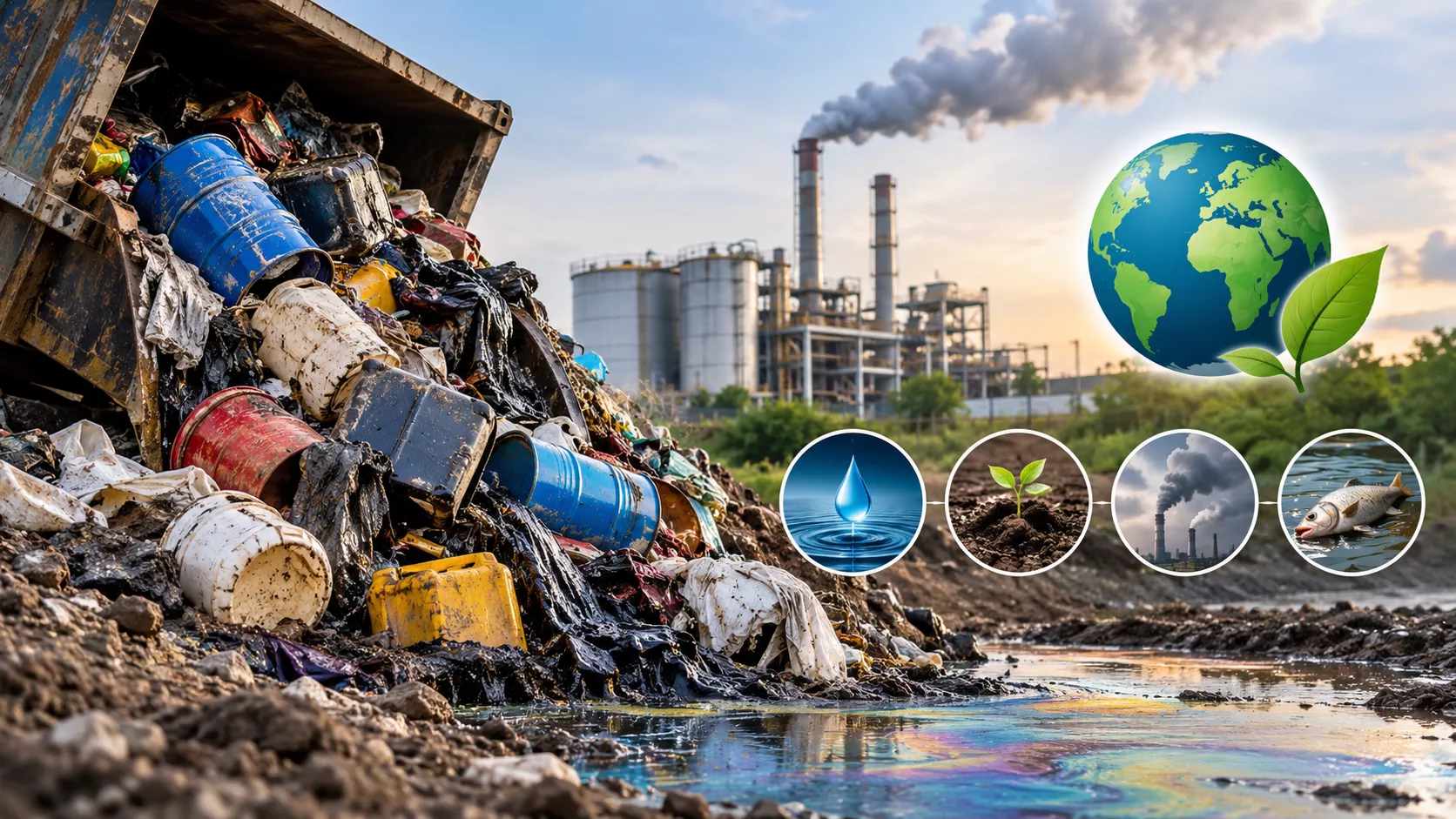
2. Increased Environmental Contamination
When hazardous materials mix with other waste, the resulting material may become more difficult to manage.
A release from an incorrectly managed container can introduce multiple contaminants into surrounding soil, drainage systems, or water sources.
3. Complicated Waste Treatment
Different materials require different treatment processes.
Mixing incompatible or unrelated waste streams can make treatment more complicated and may restrict the available recovery or disposal options.
4. Reduced Recycling Opportunities
Some industrial materials may have opportunities for recovery or recycling.
However, contamination caused by mixing materials can reduce their suitability for reuse and increase the volume of waste requiring disposal.
5. Additional Operational Costs
Poor segregation can result in additional sampling, testing, repackaging, transportation, and treatment requirements.
Preventing these problems through proper planning can support more efficient waste management operations.
How Businesses Can Establish Better Waste Segregation Practices
An effective segregation programme should be based on the materials generated by the facility and their relevant safety requirements.
Identify Each Waste Stream
Businesses should understand the materials generated by different departments and production activities.
Waste profiling and characterization can help determine how each stream should be managed.
Use Appropriate Storage Containers
Storage containers should be suitable for the material they hold and maintained in appropriate condition.
Businesses should also follow applicable containment, compatibility, and labelling requirements.
Clearly Label Waste Storage Areas
Employees should be able to identify waste containers and understand the materials they are authorised to handle.
Clear labels and storage procedures help reduce accidental mixing.
Train Employees Regularly
Employees involved in production, maintenance, cleaning, and waste handling should understand segregation procedures.
Training should also explain what to do when an unidentified or potentially incompatible material is discovered.
Review Procedures When Operations Change
New chemicals, production methods, and equipment can introduce different waste streams.
Facilities should review their waste management procedures whenever significant operational changes occur.
When Does a Business Need Specialized Waste Disposal?
Some industrial materials cannot be managed through standard commercial waste arrangements.
Examples include certain chemical residues, contaminated sludge, PCB/TSCA waste, radioactive materials, PFAS-related waste, and bulk liquid waste.
These materials may require specialist characterization, controlled transportation, appropriate treatment, and approved disposal arrangements.
TAS Environmental Services provides waste management solutions covering complex industrial waste streams, from initial waste profiling through treatment and final disposal.
Businesses can learn more about specialized waste disposal services and responsible waste management options.
Conclusion
Mixing different industrial waste streams without understanding their characteristics can create environmental, safety, and operational challenges.
A well-planned waste segregation system helps businesses maintain control over their materials, reduce contamination risks, and identify appropriate disposal methods.
Responsible industrial waste management begins with a simple principle: understand each waste stream before deciding how to handle it.