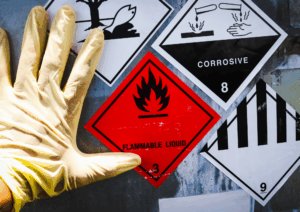
Hazardous materials are an unavoidable part of many industrial operations. Manufacturing, maintenance, chemical processing, energy production, construction, and other activities can generate waste that requires controlled handling and specialized disposal.
For these businesses, hazardous waste disposal should not be viewed solely as a regulatory obligation. How hazardous waste is managed can influence workplace safety, environmental risk, operational continuity, storage capacity, and overall waste management costs.
Hazardous Waste Management Starts Before Disposal
The disposal decision begins when waste is generated.
Understanding the source and characteristics of a material allows businesses to determine how it should be managed. Waste streams can include chemical residues, contaminated materials, oils, solvents, industrial sludge, and other regulated materials.
Different materials can present different hazards. Treating them as ordinary waste or combining incompatible materials can create unnecessary risks.
A well-managed facility therefore maintains clear identification and segregation practices from the point where waste is generated.
Why Waste Characterization Matters
Waste characterization plays a central role in determining appropriate management options.
Information about a material’s composition, physical properties, origin, and potential hazards can help establish the correct waste profile and determine suitable transportation, treatment, and disposal arrangements.
Where necessary, analytical testing can provide additional information about the waste.
This is particularly important when dealing with unfamiliar materials or waste generated during industrial maintenance, decommissioning, spill response, or site remediation.
Accurate information helps prevent inappropriate disposal decisions and provides a stronger basis for selecting a suitable management route.
Storage Can Become a Major Industrial Risk
Hazardous waste may remain on-site before transportation or disposal. During this period, storage conditions become an important part of environmental risk management.
Facilities need to consider containment, compatibility, labelling, access control, inspection, and the potential consequences of leaks or accidental releases.
Storage areas that are poorly managed can create problems long before waste reaches its final destination.
For businesses generating significant volumes, monitoring storage capacity is also important. Delays in collection can result in accumulation, restricted working space, and increased operational pressure.
Transportation Requires Appropriate Planning
Moving hazardous waste from an industrial site to an approved treatment or disposal facility introduces another stage of risk.
Transportation arrangements should reflect the characteristics of the material and applicable requirements.
Packaging, containment, documentation, vehicle selection, and handling procedures can all influence the safety of the movement.
Professional waste management providers can coordinate these requirements and help businesses avoid the logistical challenges associated with arranging transportation independently.
The Cost of Poor Hazardous Waste Management
The financial impact of poor hazardous waste management can extend beyond disposal charges.
Businesses may face additional costs associated with emergency response, contaminated equipment, site cleanup, storage limitations, production interruptions, or inappropriate disposal routes.
There can also be significant consequences when hazardous materials are released into the surrounding environment.
For this reason, organizations should evaluate hazardous waste management as part of their wider operational risk strategy.
Can Hazardous Waste Be Reduced?
One of the most effective long-term approaches is to examine how hazardous waste is generated.
Businesses can review production processes, chemical usage, maintenance practices, material segregation, and recovery opportunities to identify areas where waste generation can potentially be reduced.
For recurring waste streams, even relatively small reductions can become significant when measured across months or years.
Waste minimization can therefore complement professional hazardous waste disposal rather than replace it.
Choosing the Right Disposal Strategy
There is no single disposal method suitable for every hazardous waste stream.
Depending on its characteristics, waste may require treatment, recovery, recycling, or disposal through an appropriate facility.
The most suitable option should be determined after the material has been properly assessed.
This is where specialist environmental support can add value. Instead of selecting a disposal route based solely on convenience, businesses can make decisions based on the waste’s actual characteristics and management requirements.
Professional Hazardous Waste Disposal Support
TAS Environmental Services provides waste management services for hazardous, regulated, and complex industrial waste streams, including characterization, profiling, transportation, and disposal support.
For industrial facilities, effective hazardous waste disposal management is ultimately about controlling risk from the moment waste is generated until it reaches its final management destination.
With the right strategy, businesses can improve environmental protection, reduce operational uncertainty, and maintain better control over hazardous waste liabilities.