Industrial facilities generate waste from production, maintenance, cleaning, storage, and other operational activities. While some materials can be managed through conventional waste services, others require a more specialized approach because of their composition, contamination levels, handling requirements, or potential environmental impact.
For businesses dealing with complex materials, specialized waste disposal provides a structured solution for managing waste streams that cannot be effectively handled through standard disposal channels.
Why Industrial Waste Requires a More Specialized Approach
Industrial waste is rarely uniform. A manufacturing facility, for example, may generate process residues, contaminated absorbents, sludge, chemical residues, oils, and other materials during normal operations.
These materials may have different physical and chemical characteristics, meaning they cannot always be stored, transported, treated, or disposed of in the same way.
The challenge becomes even greater when waste is generated unexpectedly. Equipment failures, maintenance projects, production changes, or site redevelopment can introduce waste streams that were not part of the facility’s normal waste profile.
A specialized waste management strategy allows businesses to assess these materials individually rather than relying on a one-size-fits-all disposal model.
Waste Characterization Influences Disposal Decisions
One of the most important considerations in complex waste management is understanding the material before selecting a disposal route.
Waste characterization can involve evaluating its source, composition, physical properties, chemical characteristics, and potential hazards. Depending on the waste stream, sampling and laboratory analysis may also be appropriate.
Accurate characterization can influence several decisions, including:
- Appropriate waste classification
- Storage and containment requirements
- Transportation arrangements
- Treatment options
- Disposal facility selection
- Documentation requirements
- Potential recovery or recycling opportunities
Incorrect classification can result in inappropriate handling and unnecessary costs. For industrial operators, obtaining a clear understanding of the waste stream can therefore support both environmental responsibility and operational efficiency.
Managing Multiple Waste Streams on One Site
Many industrial facilities manage several waste streams simultaneously. Keeping these materials appropriately segregated can reduce compatibility issues and simplify subsequent handling.
Segregation can also help businesses identify opportunities for material recovery or alternative treatment.
For example, combining different materials may eliminate potential recovery options or make a waste stream more difficult and expensive to manage. Establishing clear waste identification and storage practices can help prevent these complications.
This is particularly important for facilities where waste volumes fluctuate or where multiple contractors operate on the same site.
The Commercial Impact of Poor Waste Management
Waste management decisions can affect more than environmental compliance.
Poorly planned waste disposal can contribute to excessive storage requirements, increased transportation costs, operational interruptions, emergency cleanup expenses, and unexpected disposal charges.
For businesses producing significant volumes of industrial waste, these costs can accumulate over time.
A more strategic approach considers the entire waste lifecycle, from generation and temporary storage through transportation, treatment, and final disposal.
This can help organizations identify inefficiencies and determine whether changes to waste segregation, handling, or disposal routes could improve overall performance.
Beyond Disposal: Evaluating Alternative Waste Management Options
Specialized waste disposal does not necessarily mean sending every material directly to a disposal facility.
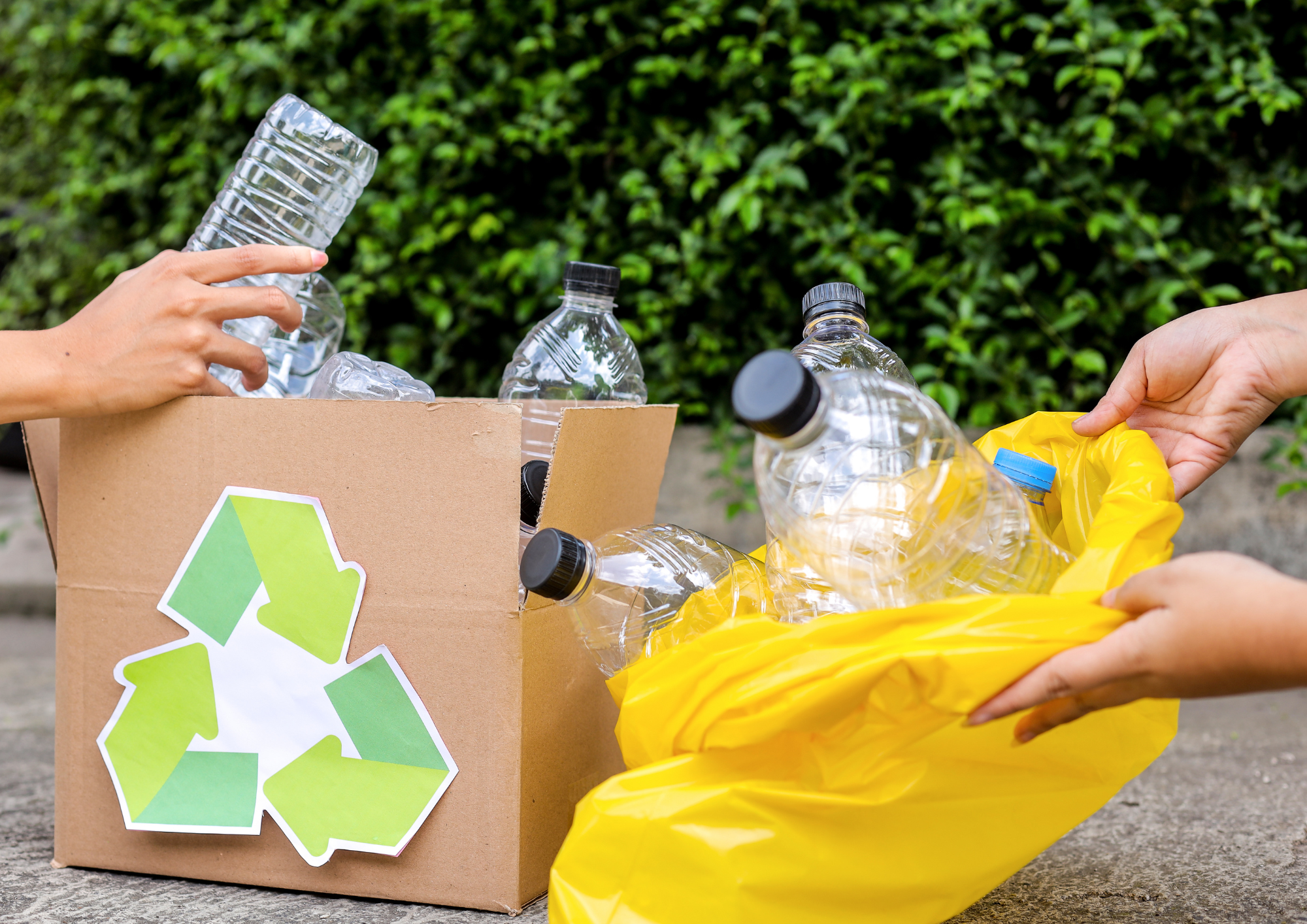
Depending on the material and applicable requirements, businesses may be able to consider treatment, recycling, recovery, reuse, or other management options.
Evaluating these alternatives can be particularly valuable for recurring industrial waste streams.
Businesses that understand the composition and volume of their waste can make more informed decisions about whether disposal is the most appropriate option or whether a different management strategy could reduce long-term waste liabilities.
Managing Unexpected and Difficult Waste
Industrial sites can also encounter waste associated with equipment decommissioning, property redevelopment, spill cleanup, or changes in production.
These situations may require rapid assessment because conventional waste arrangements may not be suitable for unusual or contaminated materials.
Specialized environmental service providers can assist with waste characterization, profiling, handling, transportation, and disposal arrangements for complex waste streams.
A More Strategic Approach to Industrial Waste
Effective waste management should support both environmental protection and business continuity.
Rather than treating waste disposal as an isolated service, industrial operators can integrate waste assessment, segregation, documentation, and disposal planning into their broader environmental management strategy.
TAS Environmental Services provides specialized waste management solutions for complex industrial and regulated waste streams, supporting businesses with waste characterization, profiling, transportation, and disposal requirements.
For organizations dealing with difficult, unusual, or regulated materials, specialized waste disposal can provide a controlled and technically appropriate solution while helping reduce environmental and operational risks.