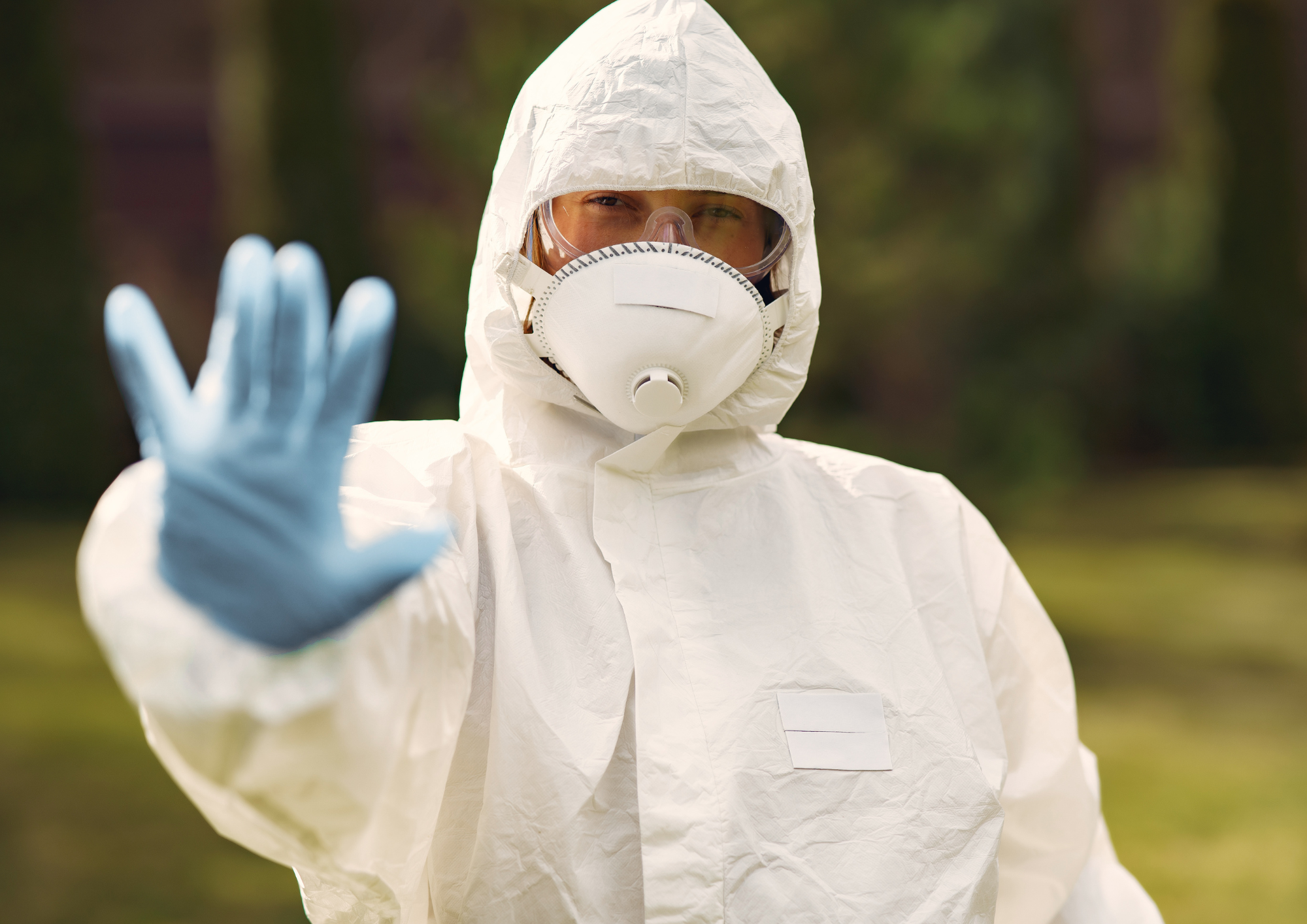
Environmental emergencies can happen without warning. Chemical spills, fuel leaks, hazardous material releases, industrial accidents, and natural disasters can quickly threaten human safety, damage ecosystems, and disrupt business operations. In these situations, a fast and professional environmental emergency response is essential to minimize harm and restore safety as quickly as possible.
Businesses across industries rely on emergency response teams to control incidents before they escalate. Whether the issue involves contaminated soil, polluted water, or dangerous airborne materials, immediate action helps prevent long-term environmental damage and costly regulatory consequences.
Why Environmental Emergency Response Matters
Time is one of the most critical factors during an environmental incident. Even a short delay can allow hazardous substances to spread into drainage systems, waterways, soil, and surrounding communities. Quick response helps reduce environmental impact, lowers cleanup costs, and protects public health.
Professional emergency response teams are trained to:
- Identify the source of the incident
- Assess environmental and safety risks
- Contain spills and hazardous materials
- Remove contaminated waste safely
- Restore affected areas
- Ensure regulatory compliance
A well-coordinated response not only protects the environment but also minimizes operational downtime for businesses.
Common Environmental Emergencies
Environmental emergency response services are designed to manage a wide range of incidents, including:
Chemical Spills and Hazardous Material Releases
Chemical leaks from storage tanks, pipelines, industrial equipment, or transportation accidents can create serious health and environmental risks. Emergency responders use specialized containment systems, absorbents, and cleanup procedures to prevent contamination from spreading.
Oil and Fuel Spills
Oil and fuel spills can rapidly affect land and water sources. Emergency teams deploy booms, skimmers, absorbent pads, and vacuum systems to contain and recover spilled materials before they damage ecosystems.
Natural Disaster Response
Floods, storms, fires, and hurricanes often leave behind hazardous debris, contaminated water, and damaged infrastructure. Environmental emergency response teams help restore affected areas safely while protecting nearby communities and natural resources.
Industrial Accidents
Industrial facilities may face explosions, fires, equipment failures, or waste-related incidents. Emergency response professionals provide rapid containment, decontamination, waste disposal, and site remediation services to reduce risks and restore operations quickly.
The Importance of Protecting Water Sources
Water contamination is one of the biggest risks during an environmental emergency. Spilled chemicals or fuels can easily enter storm drains, rivers, lakes, and groundwater systems if not controlled immediately. Professional response teams identify high-risk zones and install barriers to stop pollutants from reaching water sources.
Response methods may include:
- Drain covers and spill barriers
- Floating containment booms
- Vacuum extraction systems
- Water-safe absorbents
- Soil containment measures
- Water quality monitoring
Protecting water sources helps safeguard wildlife, ecosystems, public health, and local communities.
Advanced Technology in Emergency Response
Modern environmental emergency response relies heavily on advanced technology and specialized equipment. Many response teams now use drones, real-time monitoring systems, spill detection sensors, and industrial vacuum units to improve efficiency and accuracy during emergencies.
Technology allows responders to:
- Detect leaks earlier
- Monitor contamination spread
- Improve containment strategies
- Reduce environmental impact
- Speed up cleanup operations
These innovations help organizations respond faster and more effectively during critical situations.
Sustainable and Responsible Cleanup
Environmental emergency response is not only about containment — it is also about responsible recovery. Sustainable cleanup practices help reduce secondary environmental damage and support long-term restoration efforts. Many professional teams use environmentally friendly remediation techniques, waste recycling methods, and safe disposal practices during cleanup operations.
This approach helps businesses maintain compliance while supporting environmental responsibility.
How TASLP Supports Environmental Emergency Response
TAS Environmental Services provides professional environmental emergency response solutions for industrial, commercial, and public sector clients. Their trained response teams are equipped to manage hazardous spills, chemical leaks, industrial incidents, waste emergencies, and disaster recovery operations with speed and precision.
Services include:
- 24/7 emergency response
- Spill containment and cleanup
- Hazardous waste handling
- Industrial decontamination
- Site remediation
- Environmental restoration
- Transportation and disposal support
By combining trained specialists, advanced equipment, and proven response procedures, TASLP helps organizations reduce risks, protect the environment, and restore operations safely.
Conclusion
Environmental emergencies can create serious risks for businesses, communities, and ecosystems. Rapid response, proper containment, and professional cleanup are essential to minimizing damage and restoring safety. From chemical spills and oil leaks to industrial accidents and natural disasters, environmental emergency response teams play a critical role in protecting people and the environment.
Organizations that invest in professional emergency response services are better prepared to manage unexpected incidents, maintain compliance, and protect their operations from long-term environmental and financial consequences.