Industrial waste is often treated as a routine part of daily business operations. Manufacturing facilities, chemical processing plants, automotive industries, and production units generate different types of waste that must be managed carefully. However, improper waste disposal can create environmental problems that extend far beyond the facility where the waste originates.
Some waste materials contain chemicals, oils, heavy metals, or other substances that can affect soil, groundwater, air quality, and surrounding ecosystems. Without appropriate handling procedures, even routine industrial activities can contribute to long-term environmental contamination.
Understanding these risks is an important first step towards responsible industrial waste management.
How Improper Waste Disposal Affects the Environment
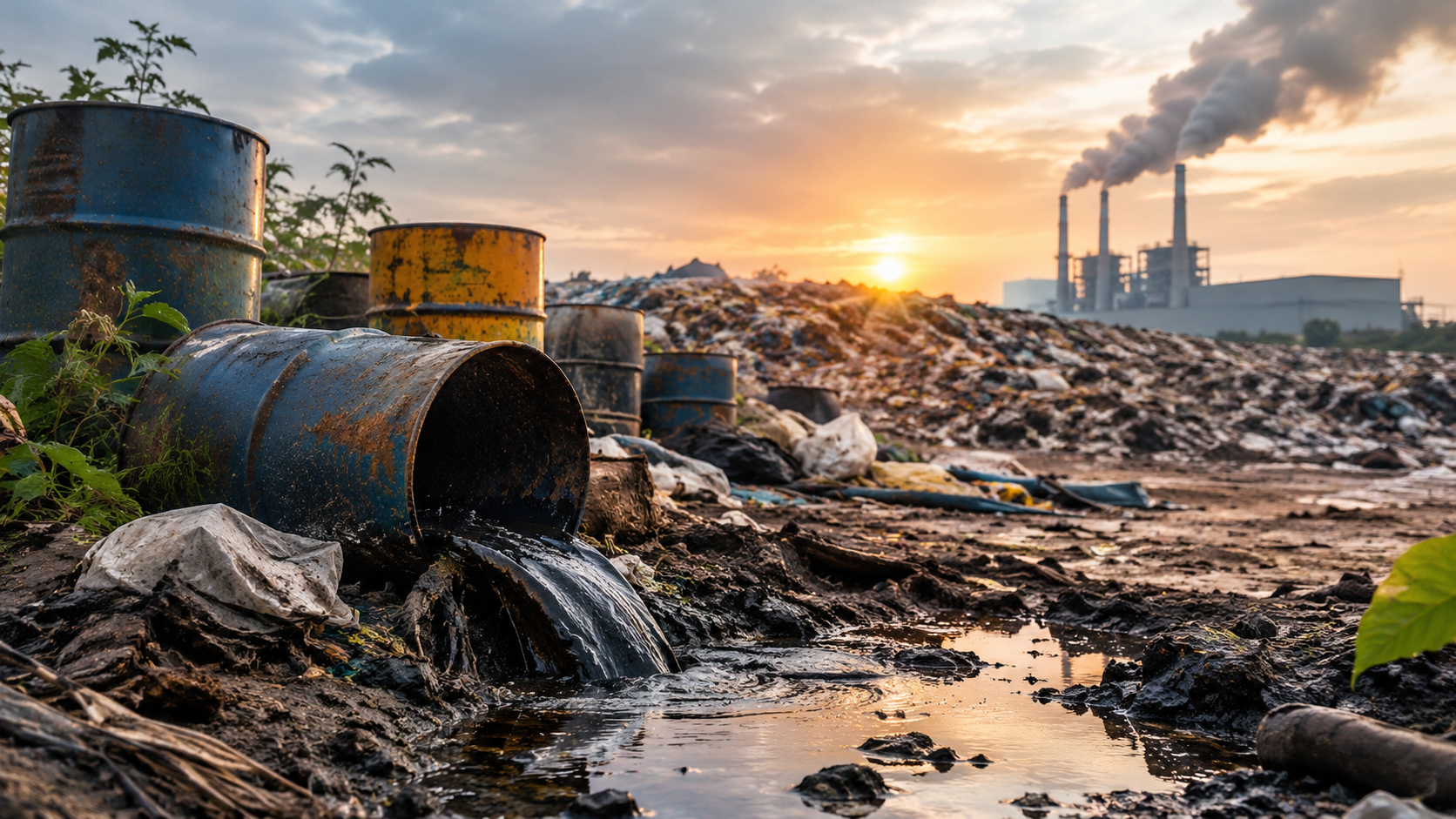
Industrial waste does not always remain within the boundaries of a facility. When materials are stored, transported, or disposed of incorrectly, contaminants can spread into the surrounding environment.
Some major environmental concerns include:
1. Soil Contamination
Chemical residues, petroleum products, industrial sludge, and contaminated materials can affect soil quality when released into the ground.
Contaminated soil may require extensive investigation and remediation before the affected land can be safely reused.
2. Groundwater Pollution
Improperly contained liquid waste can potentially migrate through soil and reach underground water sources.
This creates environmental concerns that may be difficult to detect immediately and can require long-term monitoring.
3. Air Quality Problems
Certain industrial waste materials can release harmful vapours, dust, or gases when stored or handled incorrectly.
Poor waste management practices may expose workers and nearby communities to unnecessary environmental and health risks.
4. Harm to Local Ecosystems
Waste that reaches drainage systems, rivers, or other water bodies can affect aquatic organisms and surrounding habitats.
Preventing uncontrolled releases is therefore essential for protecting local ecosystems.
Why Standard Disposal Methods Are Not Always Enough
Not every industrial waste stream can be handled through conventional collection and disposal services.
Materials such as chemical residues, contaminated absorbents, industrial sludge, PCB-containing waste, and certain liquid waste streams may require specialist assessment and treatment.
This is where specialized waste disposal becomes important.
Professional waste management involves understanding the characteristics of each waste stream before selecting an appropriate handling, transportation, treatment, recovery, or disposal method.
The Importance of Proper Waste Classification
One of the most important steps in responsible industrial waste management is identifying what a material contains.
Businesses should consider:
- The chemical composition of the waste.
- Whether the material has hazardous characteristics.
- Whether different waste streams need to be separated.
- Appropriate storage and containment requirements.
- Applicable transportation and disposal regulations.
- Documentation and tracking requirements.
Correct waste characterization helps prevent incompatible materials from being mixed and supports the selection of appropriate disposal methods.
How Businesses Can Reduce Environmental Waste Risks
Industrial facilities can improve their waste management practices through several proactive measures:
- Conduct regular reviews of waste-generating activities.
- Maintain clearly identified waste storage areas.
- Train employees in safe waste handling procedures.
- Avoid mixing unknown or incompatible waste materials.
- Maintain accurate waste records and documentation.
- Work with qualified environmental waste management professionals.
These practices can help businesses identify potential problems before they develop into larger environmental incidents.
The Role of Professional Waste Management Services
Managing complex industrial waste requires more than simply arranging collection. Businesses need to understand the waste they generate and ensure that each material follows an appropriate disposal route.
TAS Environmental Services provides comprehensive waste management solutions, including waste characterization, hazardous and special waste management, treatment options, recycling, and disposal documentation.
Businesses looking for professional support can explore specialized waste disposal and waste management services to understand how complex industrial waste streams can be managed responsibly.
Conclusion
Improper industrial waste disposal can create environmental challenges that affect land, water, air quality, and surrounding communities. Businesses that understand these risks are better positioned to improve their waste handling practices and prevent avoidable contamination.
Responsible waste management should be considered an essential part of industrial operations, not simply an administrative requirement.