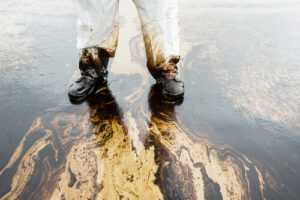
Environmental emergencies such as chemical spills, fuel leaks, hazardous material releases, and industrial accidents can happen without warning. When these incidents occur, immediate action is critical to prevent environmental damage, protect human health, and avoid operational disruption. Environmental emergency response services provide rapid, professional intervention to control, contain, and clean up incidents safely and efficiently.
What Is Environmental Emergency Response?
Environmental emergency response is the rapid deployment of trained specialists to manage accidental releases of hazardous or polluting materials. The goal is to quickly control the situation, stop the spread of contaminants, and begin safe cleanup and restoration of the affected area.
These services are essential in industries such as manufacturing, oil and gas, construction, logistics, and waste management, where the risk of spills or leaks is higher.
Why Fast Response Matters
In environmental incidents, time is critical. Even a short delay can allow contaminants to spread into soil, drainage systems, groundwater, or nearby ecosystems. This can significantly increase cleanup costs and environmental impact.
A fast, coordinated response helps to:
- Contain spills before they spread
- Reduce risk to workers and the public
- Minimize environmental damage
- Avoid regulatory penalties and downtime
Key Steps in Environmental Emergency Response
Professional emergency response teams follow a structured process to manage incidents effectively:
1. Immediate Assessment
Teams quickly evaluate the type of incident, the materials involved, and the level of risk to people and the environment.
2. Containment and Control
Barriers, absorbents, and specialized equipment are used to stop the spread of hazardous materials and stabilize the situation.
3. Cleanup and Removal
Contaminated materials are safely collected, removed, and transported for proper treatment or disposal.
4. Environmental Restoration
Affected areas are cleaned and restored to safe conditions, including soil and water remediation where necessary.
5. Reporting and Compliance
Full documentation is completed to ensure regulatory compliance and support incident reporting requirements.
Industries That Rely on Emergency Response Services
Environmental emergency response is essential for industries that handle or transport hazardous materials, including:
- Industrial manufacturing plants
- Oil and gas operations
- Construction sites
- Transportation and logistics companies
- Waste management facilities
Ensuring Safety and Regulatory Compliance
Environmental incidents must be managed in accordance with strict safety and environmental regulations. Professional response teams ensure that all procedures meet legal requirements, reducing the risk of fines, liability, and reputational damage.
Proper handling of hazardous materials, safe disposal methods, and full documentation are key parts of compliance.
Professional Environmental Emergency Response from TASLP
At TASLP, we provide rapid and reliable environmental emergency response services designed to protect people, property, and the environment. Our trained specialists are available to respond quickly to incidents of any scale, using advanced equipment and proven techniques to manage spills, leaks, and hazardous releases.
We focus on fast containment, safe cleanup, and full environmental recovery to ensure minimal disruption and maximum safety.
For more information, visit https://taslp.com/emergency-response/