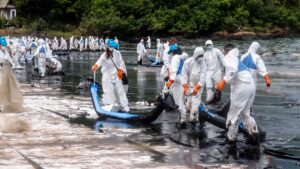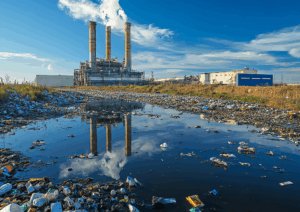
When environmental disasters strike, time is of the essence. Whether it’s an oil spill, a chemical leak, or the aftermath of a natural disaster, quick and effective response is crucial. However, what most people don’t realize is that behind every rapid response to an environmental crisis lies an intricate web of logistics, technology, and sustainability that ensures the damage is minimized — not just for the environment, but for the communities that rely on it.
At TASLP, we specialize in not only responding swiftly but ensuring that each environmental emergency response is as eco-friendly and sustainable as possible. The goal? Not just to put out the fire, but to leave a healthier world in our wake. Here’s how we do it.
The Role of Cutting-Edge Technology in Environmental Response
When an environmental emergency occurs, our first instinct is often to contain and clean up the mess. But what happens when the mess involves something as volatile as hazardous chemicals or as widespread as an oil spill? That’s where advanced technology plays a pivotal role in not only responding rapidly but also ensuring that the intervention is environmentally conscious.
Drones and Satellites for Real-Time Monitoring
Before boots are on the ground, we rely on satellite imaging and drones to assess the scope of the disaster. These tools give us a bird’s-eye view of the situation and allow us to map out the most critical areas to target first, all while minimizing the carbon footprint of ground-based survey missions.
Smart Sensors for Spill Detection
Gone are the days of waiting for human eyes to spot an issue. With the use of smart sensors, we can detect leaks or spills before they have a chance to spread. These sensors not only detect hazardous materials but can also help track their movement, so we can predict and prepare for future incidents. Early intervention is key to preventing widespread damage to ecosystems, wildlife, and human health.
Eco-Friendly Emergency Response: A New Standard
For many businesses, the priority in any emergency response is simply stopping the damage. But at TASLP, we believe stopping the damage isn’t enough. The aftermath of an emergency needs to be addressed just as carefully. That’s why our approach integrates sustainable solutions that go beyond containment and cleanup.
Green Technologies: Remediation with a Purpose
In many environmental emergencies, cleanup often means using harsh chemicals to neutralize contaminants. However, some of these substances can do more harm than good. That’s why we’ve invested in green technologies that focus on natural remediation. Bioremediation, for example, uses bacteria and microorganisms to break down hazardous materials into non-toxic substances. It’s nature’s way of cleaning up, and it’s a method that’s more efficient and far less damaging than traditional chemical treatments.
Waste-to-Energy Solutions: Reducing Landfill Impact
When cleaning up a disaster, waste management is a huge concern. A significant portion of the waste generated ends up in landfills, contributing to pollution. To reduce this impact, we use waste-to-energy systems, which convert waste materials into usable energy. This process not only reduces landfill overflow but also provides an additional source of power to support the emergency response effort, creating a self-sustaining cycle that minimizes environmental harm.
The Role of Logistics in Eco-Friendly Responses
It’s easy to think of environmental emergency response as just dealing with the disaster on the surface. But in reality, logistics plays a huge role in ensuring an eco-friendly response. From the transportation of resources to the safe disposal of waste, every step requires strategic planning and foresight to minimize its environmental footprint.
For instance, when dealing with hazardous materials, we ensure that any transport vehicles we use are fuel-efficient and eco-friendly, lowering carbon emissions during the critical phase of mobilizing resources. By using electric vehicles (EVs) and hybrid options for smaller, on-site tasks, we are able to lower emissions during the cleanup process.
The Human Factor: Training and Awareness for a Sustainable Future
While technology and logistics are key, none of it would be effective without a team that understands the importance of sustainable emergency response. At TASLP, we train our personnel not only in quick and efficient crisis management but in eco-conscious response strategies. This means that every team member is equipped to make decisions that prioritize the planet — from the tools they choose to the materials they use.
We also run community awareness programs to help local organizations and businesses prepare for environmental emergencies. By helping communities understand how to minimize environmental damage, we build a culture of sustainability that extends far beyond our direct reach.
Why Sustainability in Environmental Response Matters More Than Ever
As we move into an era where environmental awareness is at an all-time high, the importance of adopting sustainable practices in emergency response is clear. As climate change accelerates, the number and severity of environmental disasters will only increase, which makes it more important than ever to respond with both urgency and responsibility.
Businesses that invest in sustainable response strategies are not only mitigating risks but are also aligning with global sustainability goals. They are building a reputation as responsible, forward-thinking companies that care about the future — not just profits.
TASLP: Leading the Way in Environmental Emergency Response
At TASLP, our goal is to make sure that when an environmental emergency occurs, we not only manage the crisis quickly but also leave the planet in a better place than we found it. Our cutting-edge technology, eco-friendly practices, and expert logistics combine to provide a comprehensive, sustainable solution to environmental emergencies.
If you’re looking for a trusted partner to help you prepare for, respond to, and recover from environmental crises, TASLP is here to make sure that every action we take contributes to a cleaner, healthier future.
Get in touch with us today to learn more about our environmental emergency response services.
SEO Considerations:
- Unique Angle: The blog focuses on cutting-edge technology and green solutions that aren’t commonly discussed in traditional environmental emergency response blogs.
- Long-Tail Keywords: Phrases like “eco-friendly emergency response,” “green technologies for disaster cleanup,” and “sustainable spill containment” are targeted for SEO optimization.
- Human Element: By highlighting the role of logistics, training, and awareness in sustainable responses, the post stands out from more typical content that focuses solely on the technical side.
- Internal Linking: As with the previous suggestion, you can link to TASLP’s services, case studies, or related blogs.
This approach provides not just valuable information, but also tells a compelling story of how TASLP is leading the charge in merging environmental responsibility with emergency response.