When winter temperatures drop, ice and frost can form quickly on aircraft wings, engines, and control surfaces. Even a small amount of ice changes how air flows over the aircraft, making takeoff unsafe. That’s why airports rely on glycol-based deicing systems — and why dependable storage solutions are critical to keeping operations running on schedule.
TAS Environmental Services, L.P. supports airports across the region, including facilities in Dallas, Longview, and surrounding markets, with liquid storage solutions designed specifically for seasonal deicing needs.
Why Airports Depend on Glycol-Based Deicing
Aircraft deicing fluid works by lowering the freezing point of water. When applied properly, it melts existing ice while forming a temporary barrier to slow future buildup. Most airports use two primary types of glycol:
- Propylene Glycol – safer for the environment and commonly preferred where runoff control is a priority.
- Ethylene Glycol – highly effective but requires careful handling procedures and containment.
These fluids are heated and sprayed directly onto aircraft, allowing ground crews to clear ice faster and get aircraft ready for departure safely.
Without deicing, aircraft could not legally or safely take off in icy weather — meaning stranded passengers, missed connections, and large-scale operational disruptions.
Why Storage Tanks Are Essential to Deicing Operations
Deicing is time-sensitive. When freezing rain or snow starts, airports don’t have time to wait on deliveries. They need a reliable fluid supply on-site.
That’s where bulk liquid storage tanks come in.
High-capacity tanks allow airports to:
- Stock enough glycol for extended storms
- Respond immediately when weather shifts
- Coordinate multiple aircraft treatments at once
- Avoid costly delays or cancellations
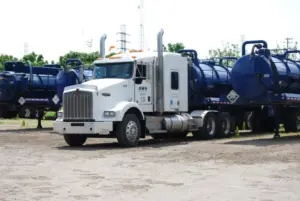
Tanks with capacities up to 21,000 gallons give airports the ability to plan ahead — even during unpredictable winter seasons.
To protect people and the environment, many facilities choose:
- Double-wall storage tanks for secure containment
- Spill berms to capture runoff and prevent contamination
These features help airports stay compliant while managing large volumes of fluid efficiently.
Seasonal Tank Rentals Offer Flexibility
Most airports only require large storage volumes during winter. Renting tanks provides a cost-effective and flexible solution:
- No permanent infrastructure required
- Additional capacity available only when needed
- Equipment removed once deicing season ends
This seasonal approach allows airport teams to focus on safe operations while TAS handles delivery, placement, and pickup of storage systems.
Strategic Tank Placement Improves Efficiency
Location matters just as much as capacity. Airports typically position tanks:
- Near deicing pads
- Along taxiway service roads
- Close to staging areas for ground crews
This proximity allows crews to refill spray trucks quickly and perform deicing closer to departure time — improving both safety and turnaround time.
Supporting Different Aircraft Needs
Not every aircraft requires the same amount of deicing fluid. Regional planes, corporate jets, and large commercial aircraft all have different coverage requirements.
With dependable on-site storage, airports can:
- Scale fluid usage as needed
- Support multiple aircraft sizes
- Maintain consistent operations even in heavy storms
Having reserves on hand ensures no aircraft waits unnecessarily on deicing supplies.
Compliance, Safety, and Environmental Stewardship
The FAA and environmental agencies set strict rules around glycol handling, storage, and runoff control. Properly installed storage tanks play a major role in meeting these expectations.
With the right systems in place, airports can:
- Prevent leaks and accidental discharge
- Safely manage deicing runoff
- Maintain regulatory compliance
Working with an experienced partner ensures these systems are installed and managed correctly.
TAS Environmental Services: Supporting Safe, Winter-Ready Airports
Winter weather doesn’t wait — and neither can airport operations. By pairing glycol deicing systems with high-capacity storage tanks, airports protect passengers, aircraft, and schedules.
TAS Environmental Services provides:
- Temporary and seasonal storage tank rentals
- Double-wall containment options
- Spill protection berms
- Professional delivery, placement, and removal
From Dallas to Longview and beyond, our team helps airports prepare for winter with the right infrastructure in place.