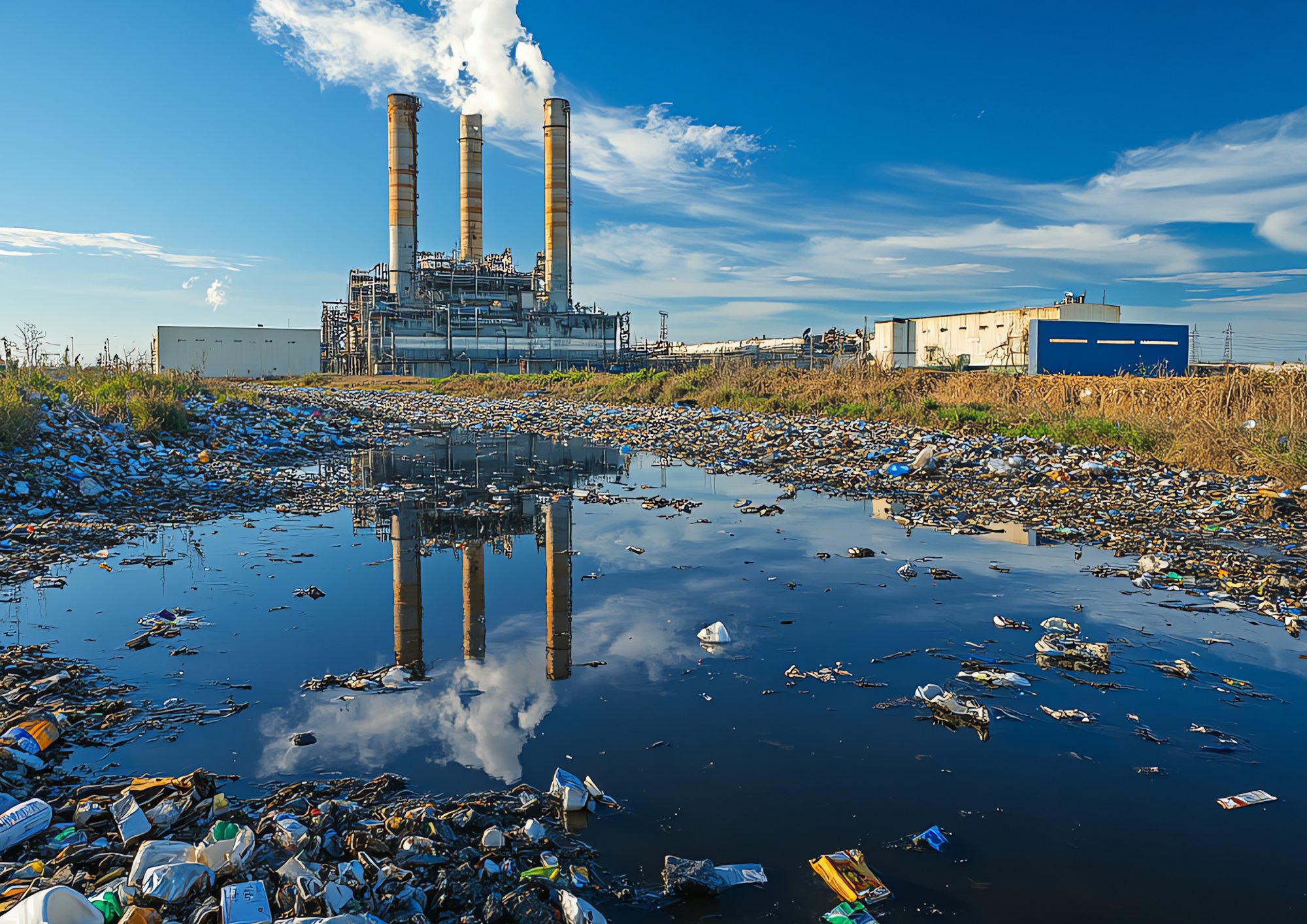
Chemical leaks present a serious threat to safety, the environment, and business continuity. Whether from storage tanks, industrial processes, pipelines, or transport incidents, the rapid release of hazardous substances requires expert action. Environmental emergency response contractors specialize in managing these situations effectively — protecting people, property, and the environment with precision and speed.
At TAS Environmental Services, our approach to chemical leak response is structured, safety-driven, and fully aligned with industry regulations. Here’s how professionals handle these complex emergencies from start to finish.
1. Immediate Alert and Rapid Deployment
As soon as a chemical leak is identified, time becomes the most critical factor. Emergency response teams are activated around the clock and dispatched to the incident location without delay.
Upon arrival, responders conduct a rapid situational assessment, evaluating:
- The type of chemical involved
- The extent and direction of the leak
- Potential exposure pathways (air, soil, water)
- Immediate risks to workers and nearby communities
This early evaluation informs the entire response strategy, ensuring the right resources are deployed for containment and recovery.
2. Safety First: Securing the Site and Protecting People
Safety is the core priority during any chemical incident. Emergency response teams take immediate action to:
- Establish controlled perimeters to restrict access
- Evacuate or isolate affected areas if needed
- Monitor air quality and hazardous vapour levels
- Equip responders with appropriate personal protective equipment (PPE)
By controlling the physical environment and exposure risk, responders reduce harm to personnel and the public while creating a safer space for cleanup operations.
3. Containment: Stopping the Leak from Spreading
Containment is central to minimizing environmental impact. Response teams use a variety of techniques tailored to the specific situation, such as:
- Absorbent booms, pads, and barriers to contain surface spills
- Temporary berms and trench systems to redirect contaminated flow
- Remote shut-off systems when available to halt source leakage
The goal is to isolate the chemical and prevent it from reaching sensitive areas like storm drains, soil, or groundwater systems.
4. Neutralization and Stabilization
Depending on the chemical’s characteristics — whether corrosive, reactive, or toxic — specialized treatments may be applied to render it less hazardous. These can include:
- Neutralizing agents for acids or alkalis
- Stabilizers to prevent further reaction
- Special sorbents engineered for specific chemical classes
These interventions help control hazards and make cleanup safer and more efficient.
5. Cleanup and Remediation
Once the chemical is contained and stabilized, cleanup begins. This process can involve:
- Extraction of liquids with industrial vacuums
- Collection and removal of contaminated materials
- Decontamination of surfaces and soil
- Transporting hazardous waste for safe disposal
All actions conform to environmental regulations and best practices, ensuring contaminants are thoroughly and responsibly managed.
6. Environmental Monitoring and Verification
After cleanup, verification testing is conducted to confirm that air, soil, and water quality meet safe thresholds. This step may include:
- Laboratory analysis of samples
- On-site monitoring for residual contamination
- Long-term observation in sensitive areas
Monitoring ensures that the incident has been resolved and safeguards against lingering impacts.
7. Documentation and Regulatory Support
Chemical leak incidents often trigger reporting requirements under environmental laws. Response contractors assist by:
- Preparing detailed incident reports
- Documenting every action taken
- Supporting regulatory communications
- Providing compliance records for audits or inspections
Accurate documentation helps organisations demonstrate due diligence and regulatory adherence.
Why Professional Emergency Response Matters
Chemical leaks threaten safety, reputation, and regulatory compliance. Professional environmental emergency response contractors bring:
- Technical expertise in hazardous material handling
- Specialized tools and containment systems
- Rapid response capability, 24/7
- Safety protocols that protect people and the environment
- Regulatory knowledge for compliant action
Whether the leak is small or significant, having a trained response partner dramatically reduces risk, environmental damage, and operational disruption.
Partner with TAS Environmental Services for Reliable Chemical Leak Response
At TAS, we combine readiness, experience, and the right equipment to respond effectively to chemical leaks and other environmental incidents. Our teams are trained to assess, contain, remediate, and support your organization through every stage of emergency response.📞 Contact TAS Environmental Services today to learn more about our environmental emergency response solutions or to discuss your facility’s preparedness strategy.