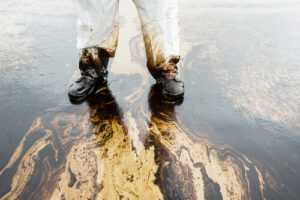
As the U.S. faces increasingly severe natural disasters—from massive West Coast wildfires to an unusually active Atlantic hurricane season—businesses and organizations are reevaluating their preparedness. While most people consider how their families will react during an emergency, fewer think about how disasters impact the environment and the responsibility organizations have during the aftermath.
Environmental emergencies often unfold quietly after the initial storm, fire, or earthquake passes. Understanding how to respond can protect public health, reduce long-term damage, and keep your organization compliant with environmental regulations. Below is an overview of important environmental response guidelines inspired by EPA recommendations—and how working with professional response teams can make all the difference.
Environmental Emergency Response: What It Means for Your Organization
Natural disasters leave behind more than visible destruction. Hidden threats such as contaminated water, hazardous debris, mold, and chemical releases can pose long-term risks. An effective emergency response plan ensures your organization knows how to manage these hazards safely and quickly.
1. Emergency Water Safety After Hurricanes and Flooding
Communities in hurricane-prone regions understand how destructive flooding can be. But the danger doesn’t disappear when the water recedes. Floodwaters often contain:
- Raw sewage
- Agricultural runoff
- Industrial chemicals
- Sharp or hazardous debris
Following a flood, the EPA strongly recommends avoiding well water and any untreated groundwater sources until proper testing is completed. Businesses with septic systems or wastewater treatment components—especially those using chemicals—must call qualified professionals to inspect, test, and confirm that water systems remain safe and operational.
A lack of testing can lead to contamination, regulatory penalties, and significant cleanup costs later.
2. Responding to Hazardous Debris After Natural Disasters
Hurricanes, tornadoes, wildfires, and severe storms generate massive amounts of debris, and not all of it is harmless. Debris can include:
- Uprooted trees and vegetation
- Burned or structurally damaged building materials
- Contaminated rubble
- Household waste, batteries, and damaged containers
- Industrial materials displaced by the disaster
Because of the volume and potential hazards, disaster debris typically cannot be processed through ordinary disposal or recycling facilities. Specialized environmental response teams are trained to sort, classify, and dispose of debris safely while meeting federal, state, and local requirements.
Calling in experts ensures your organization avoids safety risks and remains compliant throughout cleanup.
3. Mold, Asbestos, and Contaminant Safety
Natural disasters often expose people to materials they are not equipped to handle. For example:
Asbestos Exposure
While modern buildings rarely contain asbestos, older structures can release harmful fibers if damaged by storms, earthquakes, or fires. Even small amounts of asbestos dust can cause lifelong health problems, including lung cancer and mesothelioma.
Chemical and Fuel Releases
Disasters can also rupture underground storage tanks, industrial containers, or pipelines—releasing:
- Gasoline
- Hazardous chemicals
- Solvents
- Industrial waste
These contaminants can seep into soil, surface water, and groundwater, creating long-term environmental problems that require immediate reporting and professional remediation.
Organizations may be legally obligated to act quickly when contaminants escape into the environment, making emergency response planning essential.
4. How Emergency Environmental Response Works
With natural disasters occurring more frequently and with greater intensity, businesses are expected to be prepared long before an incident occurs. A strong environmental emergency response plan should include:
- A clear understanding of EPA guidelines
- Pre-designated environmental professionals to call
- Procedures for sampling and monitoring environmental conditions
- Steps for debris handling, water testing, and hazard containment
- A chain-of-command for decision-making during emergencies
Environmental specialists can provide both immediate onsite cleanup as well as long-term remediation to restore safe conditions.
Having an established plan prevents delays, reduces risk, and ensures compliance when your organization is under pressure to act swiftly.
Partnering With Environmental Response Experts
During a crisis, you may not have time to create or revise an emergency plan. That’s why partnering with experienced environmental response professionals is invaluable.
Expert teams can:
- Guide you through disaster preparedness
- Assist with regulatory compliance
- Provide rapid emergency cleanup
- Handle hazardous materials safely
- Manage long-term environmental remediation
Whether responding to massive wildfires, hurricanes, tornadoes, or industrial emergencies, a professional response partner ensures your organization is ready before disaster strikes.
Conclusion: Natural disasters leave lasting environmental risks, making rapid, compliant response essential. Partnering with TAS Environmental Services ensures expert debris management, hazardous-material handling, and emergency remediation. Their 24/7 readiness helps protect communities, meet regulations, and restore safe conditions quickly. Prepare your organization with trusted support: https://taslp.com/emergency-response/